Illustration of filigree
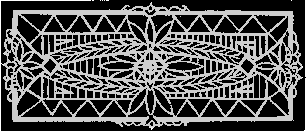
- filigree 2a

 Jack Beatty

Ornamental work formerly made with grains or beads is called filigree. It comes from an Italian word made from the Latin words for thread and grain. Today filigree is usually of fine wire of gold, silver, or copper, and is used chiefly to decorate gold and silver surfaces. Filigree can also apply to any ornamental openwork of delicate or intricate design or to a pattern or design resembling such openwork.
Kyle Chayka, New Yorker, 3 June 2026
Brooches These beautiful pins, frequently adorned with sparkling rhinestones, intricate enameling, or delicate filigree, were a staple in our grandmothers' jewelry boxes.
—Nicole Letts, Southern Living, 27 Apr. 2026
Lauren Fisher, Footwear News, 20 May 2026
Each story is filigreed with the meta-commentary flashing onscreen and a daredevil’s enjoyment of audience interaction.
—Jackson McHenry, Vulture, 22 July 2025
See All Example Sentences for filigree
“Filigree.” Merriam-Webster.com Dictionary, Merriam-Webster, https://www.merriam-webster.com/dictionary/filigree. Accessed 12 Jun. 2026.
 Copy Citation